
Pennsylvania’s winding rivers, hidden gorges, and broad mountain lakes give paddlers a wide menu of water to enjoy. Flatwater fans can glide across glacier-carved reservoirs framed by hardwood forests, while white-water seekers can pick from rapids that tumble through ancient sandstone canyons. The ten destinations below span the state from the Pocono Mountains to the western Alleghenies and cover every skill level. Each description notes why the spot stands out, how to gain access, the ideal season, and a few practical tips so you can plan with confidence.

Maps and descriptions for 200+ Pennsylvania waterways, with notes on minimum water levels, hazards, and difficulty. Includes recommendations for put-ins and take-outs, along with insights on fishing, camping, and wildlife viewing. A must-have resource for kayakers and canoers exploring the Keystone State.

Covering 50 of Pennsylvania’s best paddling routes, this guide highlights rivers, creeks, and lakes that showcase the state’s natural beauty. Each entry includes maps, directions, difficulty ratings, and safety considerations, along with recommendations for put-ins, take-outs, and scenic highlights. An essential resource for anyone looking to explore Pennsylvania by canoe or kayak.

Featuring 80 flatwater trips, this guide explores the best ponds, lakes, and easy rivers across New Jersey and Eastern Pennsylvania. Each entry includes detailed descriptions, maps, trip planners, GPS coordinates, and safety tips. From paddling through Lake Aeroflex to spotting wildlife in Great Bay, this book is a trusted companion for paddlers of all levels seeking calmwater adventures.
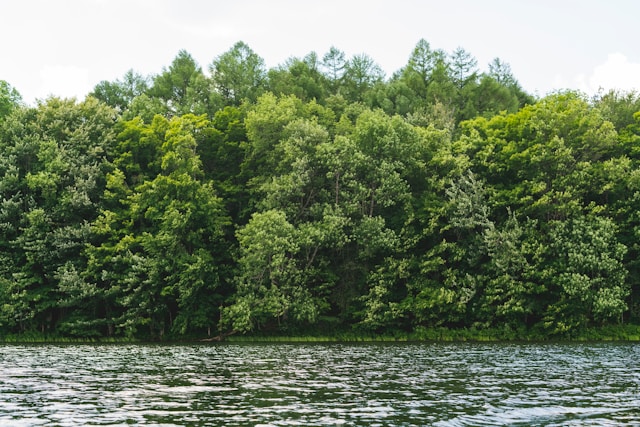
Delaware River Water Gap – Monroe & Northampton Counties
Where the Delaware River slices through the Kittatinny Ridge it creates a dramatic water gap with 1,000-foot cliffs and a thread of clean, Class I current. Put in at Smithfield Beach or Bushkill and drift south; outfitters in Shawnee and Portland run shuttles and daily rentals. Bald eagles, river otters, and migrating shad share the corridor, and primitive island campsites let you turn an easy day trip into a mellow overnighter. Mid-May through September sees stable flows, but late-October foliage paddles are hard to beat. Because currents remain gentle, the route works for confident beginners who can steer around mid-channel rock bars.
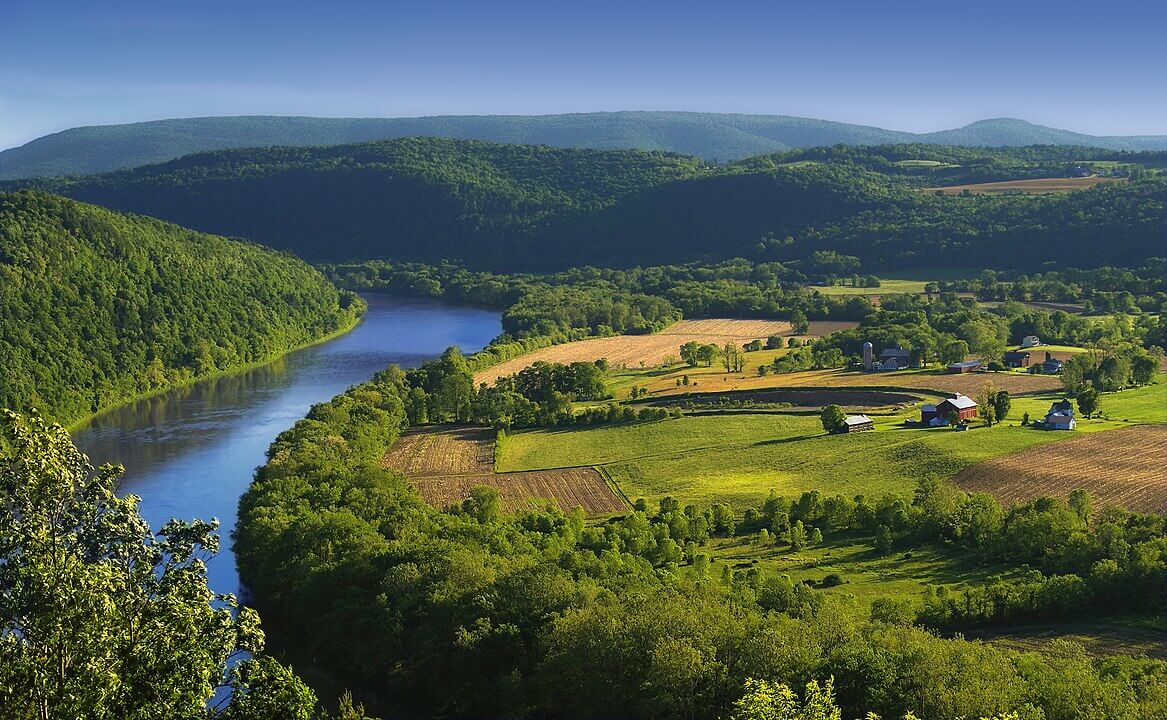
Susquehanna River Water Trail (Middle Section) – Central Pennsylvania
Pennsylvania’s longest river feels almost like an inland sea in its middle reaches. The Susquehanna Greenway Partnership maintains dozens of launches between Sunbury and Harrisburg, each marked with mile numbers, maps, and camping icons. Stop at river towns such as Lewisburg for lunch or pitch a tent on PFBC-managed islands that are free for one night. Spring snowmelt brings lively riffles; summer levels drop, revealing gravel bars perfect for swimming breaks. Watch for great blue herons wading the shallows and for the brick arches of 19th-century rail bridges that frame sunset photos.

Pine Creek Gorge (“Pennsylvania Grand Canyon”) – Tioga & Lycoming Counties
Pine Creek enters a 1,000-foot-deep Appalachian gorge just below Ansonia and runs wild for nearly 20 miles before easing near Waterville. In early spring, Class II rapids bounce through forested narrows; by midsummer the flow slows and turns into a gentle scenic float. Access is easy at Darling Run and Blackwell, with shuttle companies based in Wellsboro. While paddling, look up for nesting bald eagles and down for shale ledges where brook trout hide. The rail-trail paralleling the creek means you can do a self-shuttle with a bike if you prefer a quieter adventure.
Youghiogheny River – Ohiopyle, Fayette County
Few Eastern rivers offer such a clear progression of difficulty. The “Middle Yough” (Confluence to Ohiopyle) is a family-friendly 9-mile Class I–II run. Downstream, the “Lower Yough” packs 7.5 miles of reliable Class III white-water that runs all summer thanks to scheduled dam releases. Launch permits and time-slot reservations are required in peak season, so plan ahead. Local outfitters provide guided trips or hard-shell rentals and instruction. Between rapids, sandstone shelves form perfect lunch spots, and rhododendron tunnels bloom in June, giving the canyon an almost tropical feel.
Allegheny River Islands National Wilderness Area – Warren & Forest Counties
Upstream of Oil City, the Allegheny glides for 87 miles through hemlock woods and pocket wilderness islands managed by the U.S. Forest Service. The most popular two-day paddle starts at Kinzua Dam and ends in downtown Warren, covering 15 current-assisted miles with easy gravel-bar camping on Thompson or Courson Island. Water is Class I, but watch for fog rolling off the reservoir in early mornings. Deer, mergansers, and the occasional black bear wander the banks. Bring binoculars: this reach is designated a National Wild & Scenic River for its ecology and intact riparian forest.
Lake Wallenpaupack – Pike & Wayne Counties
Created in the 1920s to power hydroelectric turbines, this 5,700-acre Pocono lake now hosts paddle craft, sailboats, and quiet coves rich with lily pads. Weekdays or dawn launches are best to miss mid-summer motorboat wakes. Shuman Point Natural Area provides a forested shoreline free of development, while the northern back bays near Hawley hold herons and carp thrashing in the shallows. Pennsylvania Fish and Boat Commission rules require life jackets from November 1 to April 30; paddlers often layer dry-wear to admire the lake’s crisp fall color without crowds.

Raystown Lake – Huntingdon County
At 8,300 acres, Raystown is the state’s largest lake contained wholly within Pennsylvania, yet its labyrinth of arms and steep ridges breaks wind and masks boat noise. The no-wake “Seven Points” and “Aitch” zones create calm lanes for beginners, while overnight boat-in campsites let you string multi-day loops. Expect smallmouth bass exploding on summer insect hatches and, after dark, some of the most brilliant stargazing in the East thanks to low light pollution. The visitor center sells waterproof maps marking fuel docks, beaches, and paddle-only coves.
Schuylkill River Water Trail – Berks, Montgomery & Philadelphia Counties
Running 120 miles from Schuylkill Haven to Philadelphia’s Fairmount Water Works, the Schuylkill offers surprisingly rural scenery within sight of the skyline. Paddlers often tackle 14 urban-friendly miles from Norristown to Boathouse Row, passing stone railroad arches and heron rookeries clinging to islands. Flow is regulated by seasonal dams; check the USGS gauge at Norristown before leaving home. Multiple SEPTA stations near launch points allow a car-free shuttle, and waterside cafés in Manayunk serve post-paddle tacos and iced coffee.
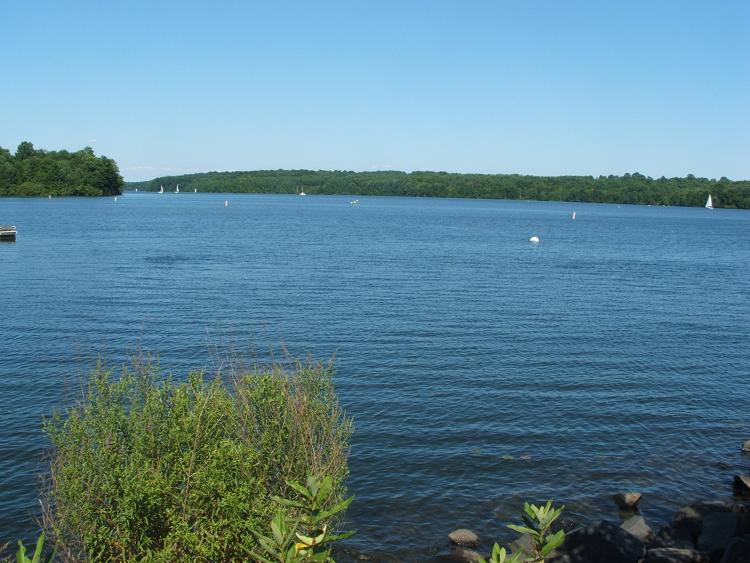
Lake Nockamixon – Bucks County
Only an hour north of Philadelphia, 1,450-acre Lake Nockamixon sits amid rolling farm country and is ringed by four public launches plus a seasonal boat-rental marina. From November through April, every paddler must wear a PFD under state rules, an easy habit to keep year-round. The Tohickon Creek arm stays wind-sheltered and teems with osprey, while the northern reaches hide beaver lodges and blooming water willow. Adaptive launches installed in 2018 make entry smooth for wheelchair users. Moonlight group paddles during summer full moons bring a festival vibe without daytime heat.
Marsh Creek Lake – Chester County
Marsh Creek Lake’s 535 calm acres are framed by red-clay hills and stands of white oak that glow in October. Rental kayaks, SUPs, and sailboats operate from the East Launch, and sunset or full-moon tours run May through September. Powerboats are limited to electric motors, so chop is minimal even on weekends. Early mornings reveal great blue herons stalking shaded shallows, while the western coves shelter migrating ducks. A 12-mile shoreline trail lets you combine hiking with a relaxing paddle. Parking, day use, and most launches remain free, making Marsh Creek an easy last-minute outing.
Lehigh Gorge State Park – Carbon & Luzerne Counties
Put in at White Haven and follow the Lehigh River 25 miles through a rocky canyon lined with rhododendron and towering hemlocks. Spring snowmelt brings Class II–III rapids; summer dam releases from Francis E. Walter Reservoir keep flows steady for outfitters in Jim Thorpe. The adjacent rail-trail makes bike shuttles simple, and old canal locks beside the river add a dash of history.

Clarion River Water Trail – Jefferson & Forest Counties
Glide 52 gentle miles between Ridgway and Cook Forest, a reach designated National Wild & Scenic for clear water and cathedral stands of virgin white pine. Gravel bars invite picnic stops, and autumn foliage paddles are legendary. Low summer levels expose boulders, so aim for late April through June or paddle light craft that ride high.
French Creek – Crawford & Venango Counties
Often called the most biologically diverse stream in the Northeast, French Creek hosts more than 80 fish species and 27 kinds of freshwater mussels. A popular day route runs 12 miles from Utica to Franklin with easy Class I riffles. Bald eagles and osprey hunt overhead, and creekside sycamores provide afternoon shade.
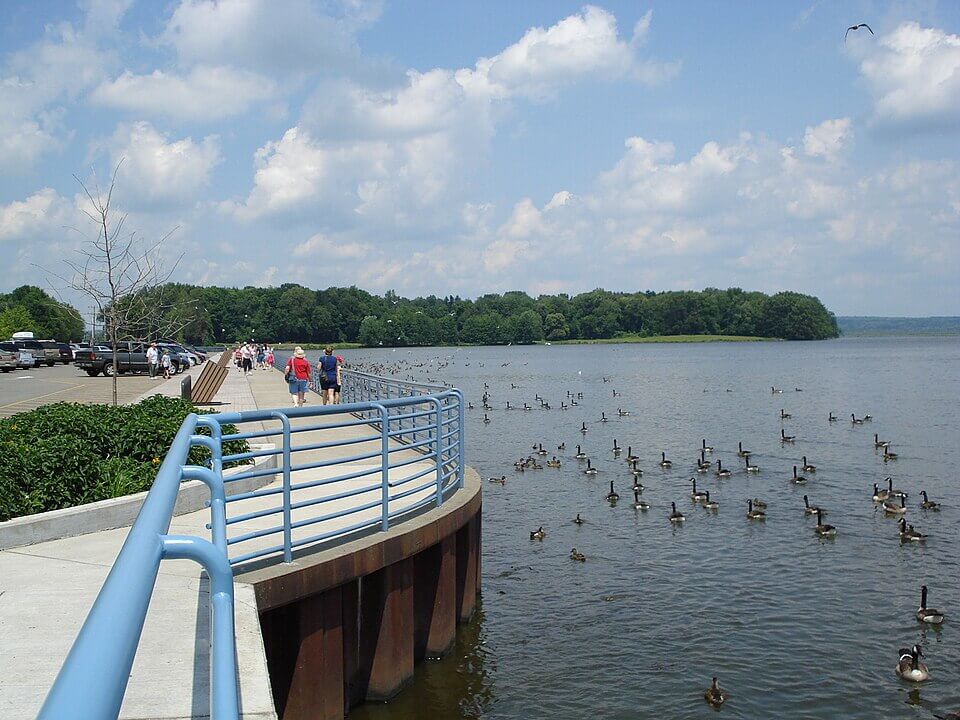
Pymatuning Reservoir – Crawford County
Straddling the Ohio line, this 17,000-acre lake limits powerboats to 20 hp, keeping wakes small for kayaks. Launch from Jamestown or Espyville to explore stump-dotted coves rich with herons and floating lily pads. From late August into September, massive osprey and bald-eagle migrations pass directly over the water.
Swatara Creek – Lebanon & Dauphin Counties
An 11-mile float from Jonestown to Swatara State Park winds beneath sandstone bluffs and over fun riffles perfect for new paddlers. Spring’s redbud bloom paints the banks pink; summer brings easy tubing crowds, but a dawn start keeps things quiet. Primitive campsites inside the park let you stretch the trip into two easy days.
Lake Arthur – Moraine State Park, Butler County
Only 40 minutes north of Pittsburgh, 3,200-acre Lake Arthur reserves two vast coves for paddle craft with no motor traffic allowed. Rental kayaks, ADA-friendly docks, and evening group paddles make it beginner-friendly. Bluegill and largemouth bass cruise the weed beds, so many visitors toss in a light rod between strokes.
Tioga–Hammond Lakes – Tioga County
Twin Corps of Engineers reservoirs sit side by side outside Mansfield. Because motor speed is capped at 45 mph, chop stays tolerable, and the coves in the less-visited Hammond arm feel secluded even on July weekends. A 4.5-mile trail connects boat launches, handy for fitness laps or a self-shuttle.
Conodoguinet Creek – Cumberland County
This 90-mile Susquehanna tributary twists through farm fields and shady sycamore groves west of Harrisburg. A favorite five-mile stretch starts at West Creek Road and finishes at Ridge Road, offering riffles, small ledge drops, and regular wildlife sightings such as kingfishers and painted turtles. Watch for strainers after spring floods.

Loyalhanna Lake – Westmoreland County
Formed by Loyalhanna Dam, this narrow, twisting flood-control reservoir hides calm side channels where great blue herons stalk minnows. Electric-only rules reduce noise, and steep shores block wind, making it a haven for SUP paddlers. In July, water-willow blooms fill the coves with purple blossoms.
Presque Isle Bay – Erie County
Paddling here places you on Lake Erie yet shielded by Presque Isle’s hook-shaped peninsula. Launch at Vista 1 or the lagoons to trace sandy beaches, watch sail races, or tuck into marshy corners thick with ducks. Early mornings often deliver glass-calm water and fiery sunrises over the city skyline. Wear a proper cold-water kit outside mid-June through mid-September; Erie’s surface may look mild, but hypothermia risks stay high.
Pennsylvania rewards kayakers who venture beyond the usual postcard shots. From the slow bends of the Susquehanna to the frothy drops of the Yough, paddlers can match the water to their mood and skill. Before you load the roof rack, check real-time stream gauges, wear a properly fitted life jacket, and let someone know your plan. Whether you crave swift current or a quiet dawn fog, the Keystone State has a stretch of water waiting for your next stroke.