

Last Updated on May 26, 2026 by Afsar
In this guide
- Quick answer for beginner paddlers
- What makes a kayaking trip beginner-friendly?
- Best beginner kayaking trip types
- Best beginner kayaking places to start with
- Arkansas beginner kayaking ideas
- Pennsylvania beginner kayaking ideas
- Alaska beginner kayaking ideas
- How to choose your first route
- What to bring on a beginner kayaking trip
- Common beginner mistakes to avoid
- Beginner kayaking day-trip itineraries
- FAQ
Quick answer: the best beginner kayaking trips are calm, short, and easy to exit
The best kayaking trips for beginners usually have three things in common: calm water, a simple launch, and a route that can be shortened if the paddler gets tired. A protected lake cove, a slow Class I river float, or a guided paddle in a sheltered bay is usually better than a long open-water crossing or a technical river.
For most new paddlers, a good first route is around 1 to 3 miles, stays close to shore, has predictable conditions, and starts near a rental shop, marina, state park, or outfitter. That is why beginner-friendly places such as Lake Ouachita in Arkansas, the Delaware River Water Gap in Pennsylvania, Raystown Lake in Pennsylvania, and guided protected-water routes in Alaska can all work well for different kinds of paddlers.
This guide is built for people searching for easy kayaking trips, calm places to kayak, beginner kayak routes, and scenic paddling spots that do not require advanced skills.
What makes a kayaking trip beginner-friendly?
A beginner kayaking trip is not just a route with pretty water. It is a route that gives a new paddler enough control to learn without feeling trapped by distance, wind, current, or complicated logistics. A route can look peaceful in photos and still be hard for a beginner if it has a long open crossing, cold water, fast current, confusing take-outs, or heavy motorboat traffic.
The easiest trips give paddlers choices. You can paddle for 20 minutes and turn around, stop near shore, switch from a longer route to a shorter one, or cancel if conditions look wrong. That flexibility is one of the biggest differences between a good first paddle and an exhausting first paddle.
Calm water
Flatwater lakes, sheltered coves, slow rivers, and protected bays are usually easier than open water or whitewater. Beginners should focus less on distance and more on water behavior.
Simple logistics
An easy launch, nearby parking, clear access rules, and a simple return plan matter. A beautiful route becomes stressful when the take-out is hard to find or the shuttle plan is unclear.
Short route options
First-time paddlers should not feel locked into a long loop. The best beginner spots allow out-and-back paddling, shoreline exploring, or a short float with a clear ending point.
A beginner-friendly kayaking area often has rentals, launch staff, park rangers, outfitters, or other paddlers nearby. That does not mean the water is risk-free, but it does mean a new paddler is not trying to figure out every detail alone. When comparing routes, look for beginner signals such as “flatwater,” “protected cove,” “state park lake,” “no-wake area,” “Class I,” “guided tour,” “short loop,” and “rental available.”
Best beginner kayaking trip types
Before choosing a specific destination, choose the right trip type. A new paddler searching for “best beginner kayaking near me” may not know whether they need a lake, river, coastal route, or guided tour. Each one can be beginner-friendly when the conditions match the paddler.
| Trip type | Why beginners like it | What to check first | Best match on KayakBase |
|---|---|---|---|
| Protected lake cove | Easy to turn around, usually simple to stay near shore, good for learning basic paddle strokes. | Wind direction, motorboat traffic, launch fees, swimming areas, and rental availability. | Lake Ouachita in Arkansas or Raystown Lake in Pennsylvania |
| Slow river float | The current helps move the kayak, and the route can feel more like a scenic day trip. | River level, current speed, strainers, take-out location, shuttle plan, and any rapid ratings. | Delaware River Water Gap in Pennsylvania |
| State park lake | Often has parking, restrooms, marked access, picnic areas, rentals, and a more structured feel. | Park rules, launch hours, seasonal rentals, weather, and whether motorboats are allowed. | Browse KayakBase locations to find state options |
| Guided coastal paddle | Great scenery without requiring the beginner to understand tides, weather, wildlife distance, or navigation alone. | Guide reputation, route length, water temperature, required clothing, and cancellation policy. | Alaska guided kayaking routes |
| Short wildlife paddle | Gives the trip a purpose beyond exercise, especially for families and travelers. | Distance rules, nesting areas, local wildlife guidance, and whether the water is protected. | Protected bays, marshes, lakes, and calm river edges |
The safest choice for many beginners is a calm lake, because there is no current forcing the trip forward. That said, a gentle river float can feel easier than a lake when the current is mild and the route is supported by a rental company or shuttle. Coastal kayaking can be beginner-friendly too, but only in protected water and ideally with local guidance.
Best beginner kayaking places to start with
Below are three strong beginner kayaking angles for KayakBase because they match real search behavior. People often search by state, by difficulty, by scenery, and by trip style. These destinations let you connect those searches to existing internal pages while also helping readers choose the right experience.
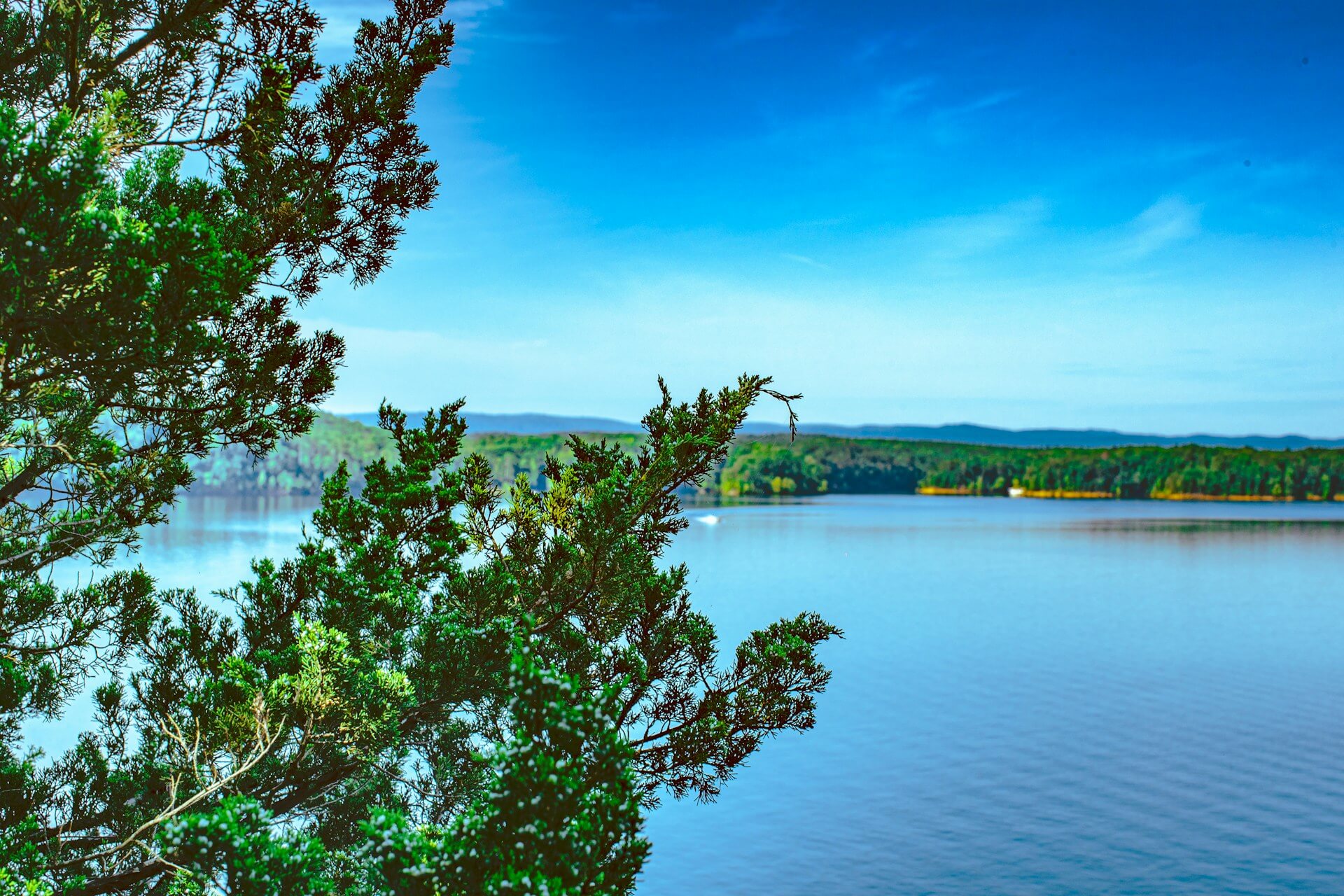
Arkansas
Arkansas is one of the best states to target for beginner kayaking content because it has a useful mix of clear lakes, gentle river sections, forest scenery, and popular paddling names that people already search for.
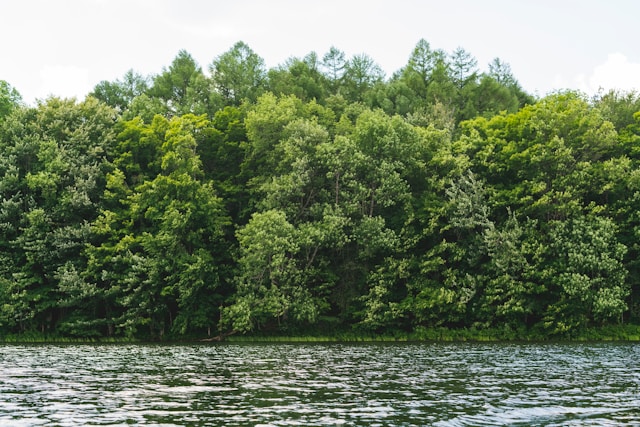
Pennsylvania
Pennsylvania is a strong beginner destination because it has water close to large population areas, plus several lakes and river sections that fit “easy kayaking near me” searches.
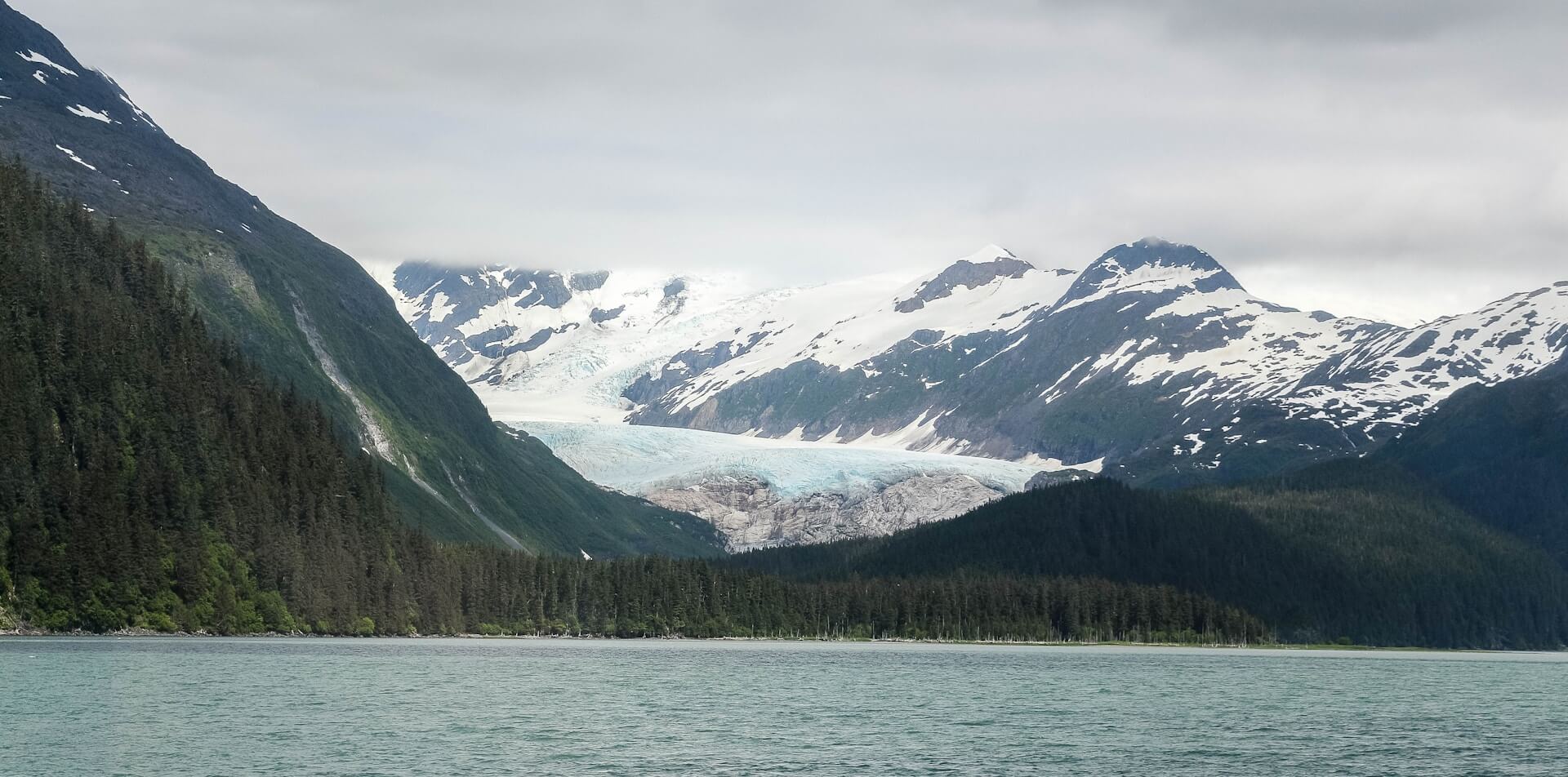
Alaska
Alaska is not the easiest first solo kayaking destination, but it is one of the most searched scenic paddling destinations. Beginners should focus on guided protected-water trips.
Arkansas beginner kayaking ideas
Arkansas is a great state for beginner kayaking because it gives paddlers several different ways to start. Some readers want a calm lake where they can stay near shore. Others want a slow river float with forest scenery. Arkansas can serve both kinds of search intent, which makes it a useful internal link target from a broader beginner kayaking article.
Lake Ouachita: best for calm-water confidence
Lake Ouachita is a strong beginner choice because new paddlers can look for protected coves, shoreline routes, and short out-and-back paddles instead of committing to a long point-to-point trip. A beginner can start with a small section of the lake, practice turning, learn how the kayak tracks, and return before fatigue becomes a problem.
For a first outing, the best approach is to choose a launch with simple access and stay close to shore. Beginners should avoid long open-water crossings, especially when wind is building or boat traffic is active.
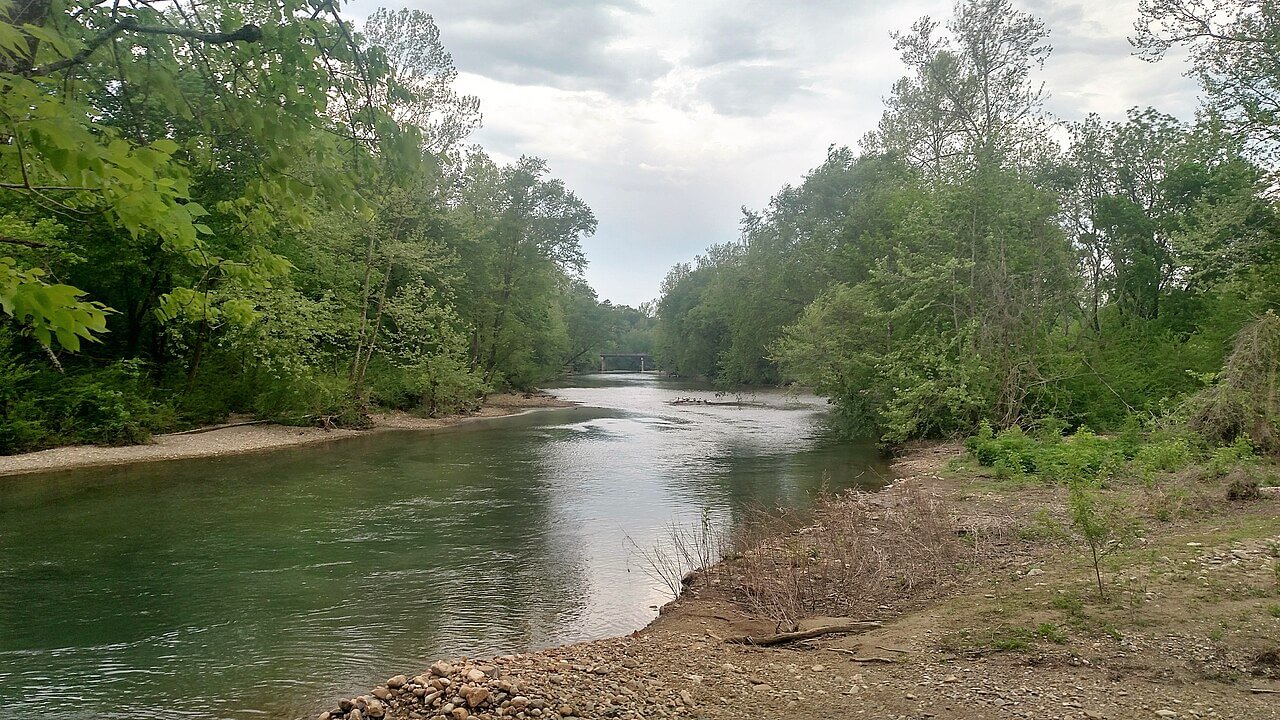
Caddo River: best for an easy scenic float
The Caddo River is a good example of the kind of route many beginners imagine when they search for kayaking trips: trees, clear water, a relaxed pace, and enough movement to feel like a real river day. For beginners, the key is choosing the correct section and checking current conditions before going.
A river can be easy one week and more challenging after rain or high water. New paddlers should pick a section described as beginner-friendly, use a local outfitter when possible, and make sure the take-out is obvious before launching.
How to position Arkansas for search
Arkansas can rank for beginner kayaking searches because it naturally fits phrases like “easy kayaking in Arkansas,” “best places to kayak in Arkansas,” “calm lakes for kayaking in Arkansas,” and “beginner river floats in Arkansas.” The broader article should link readers to the dedicated Arkansas guide when they want a full destination breakdown.
Best Arkansas beginner paddling style
The best Arkansas beginner paddling style is a short morning lake paddle or a mild river float arranged with a local rental company. Morning conditions are often calmer, and a rental company can help with launch selection, kayak choice, shuttle details, and local water notes.
Who Arkansas is best for
- Beginners who want a first trip that still feels scenic.
- Families looking for a calm-water outing.
- Travelers who want a mix of lake paddling, river floats, and forest scenery.
- Paddlers who want multiple easy route options in one state.
Pennsylvania beginner kayaking ideas
Pennsylvania works well for beginner kayaking content because it has accessible waterways near many readers. A person searching for easy kayaking in Pennsylvania may be planning a weekend day trip rather than a big travel vacation. That makes practical details important: parking, rentals, distance, water type, and how easy it is to turn the route into a half-day outing.
Delaware River Water Gap: best for a classic river float
The Delaware River Water Gap is one of the strongest Pennsylvania beginner search targets because it combines scenic value with a well-known river name. For beginners, the best version of this trip is not about speed or distance. It is about choosing a manageable section, using a clear shuttle plan, and paddling in conditions that match your comfort level.
New paddlers should look for calm sections, avoid high-water days, and plan a route with an obvious take-out. A supported rental or shuttle can make the first experience much smoother.

Raystown Lake: best for protected lake paddling
Raystown Lake is a good fit for beginners who want lake scenery and room to explore. Like any large lake, the important beginner move is to avoid overcommitting. Instead of trying to cross big open sections, new paddlers should focus on coves, shorelines, and short out-and-back routes.
Large lakes can become harder when wind increases, so route planning should focus on shelter, not just distance. A short paddle in calm water is more useful for learning than a long route that becomes a struggle on the way back.
Lake Nockamixon
Lake Nockamixon is useful for readers looking for a structured state-park style kayaking day. Beginners often like places where there are established access points, other people around, and the option to keep the route short.
Marsh Creek Lake
Marsh Creek Lake can fit the same kind of beginner search: calm-water paddling, a manageable day trip, and a practical alternative to more complicated river logistics.
Best Pennsylvania beginner paddling style
The best Pennsylvania beginner paddling style is either a supported river float or a short state-park lake route. A river float is better for readers who want a destination feel. A lake route is better for paddlers who want maximum control and the ability to turn around whenever they want.
Who Pennsylvania is best for
- Beginners planning a weekend trip from a city or suburb.
- Paddlers who want a mix of lakes and mellow river floats.
- Families who want restrooms, parking, and park-style access.
- Readers searching for “easy kayaking near me” in the Mid-Atlantic.
Alaska beginner kayaking ideas
Alaska deserves a different kind of beginner explanation. It is one of the most exciting kayaking destinations in the United States, but it is not the place most beginners should approach casually on their own. Cold water, weather changes, tides, remote shorelines, and wildlife considerations make local guidance much more important.
That does not mean beginners should avoid Alaska. It means they should choose the beginner version of Alaska kayaking: guided outings, protected bays, shorter routes, proper clothing, and honest conversations with local guides about experience level.
Glacier Bay-style paddling: best for once-in-a-lifetime scenery
For many travelers, Alaska kayaking is about scale: mountains, glaciers, wildlife, and quiet water surrounded by enormous landscapes. Beginners should approach this as a guided or heavily planned experience rather than a casual rental outing.
A guided trip helps with route choice, safety equipment, local conditions, and distance. It also helps beginners understand what kind of clothing and layers are needed for cold-water environments.
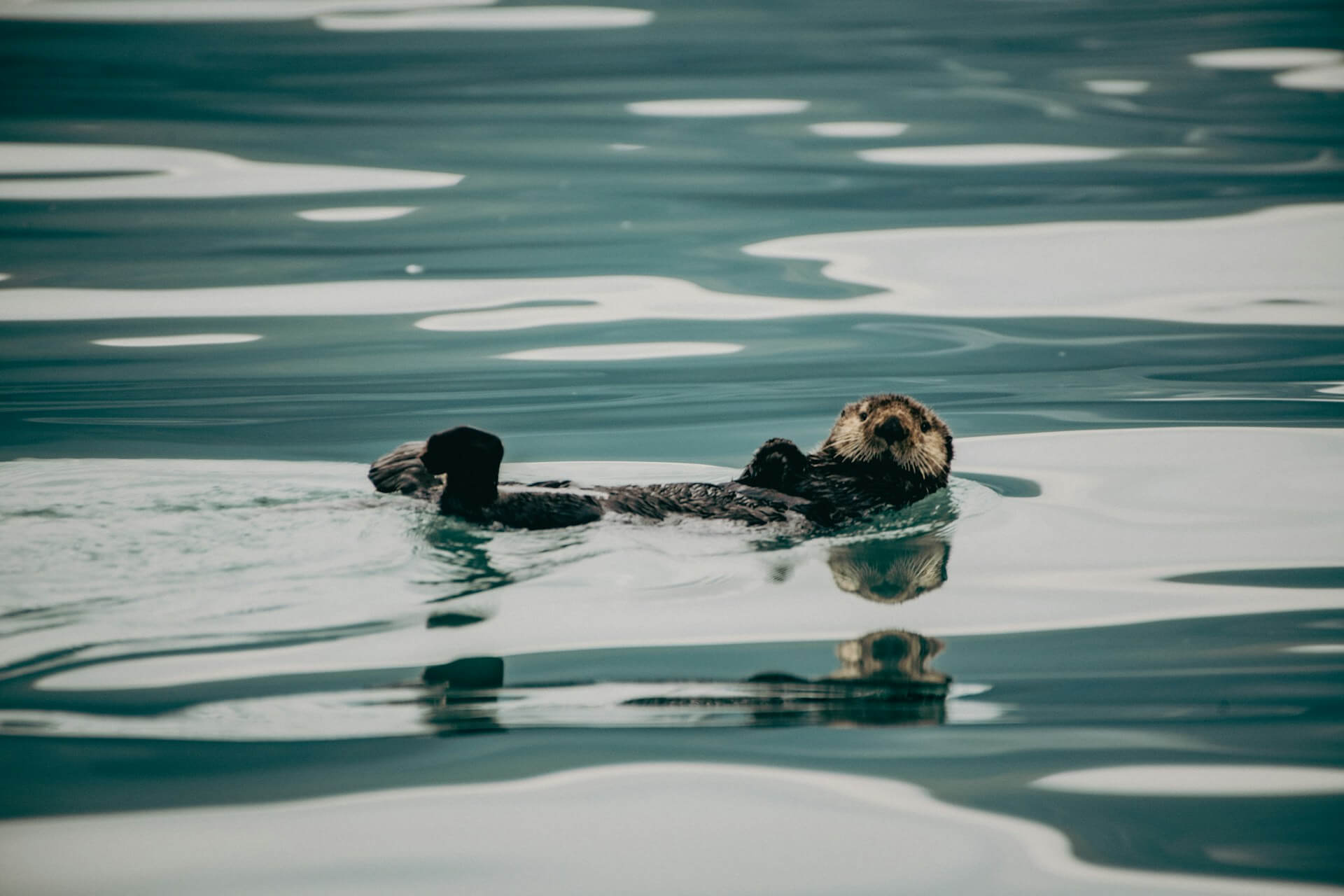
Kenai Fjords and protected coastal tours
Kenai Fjords is a powerful search topic because it combines kayaking with Alaska’s most dramatic scenery. For beginners, the safest angle is guided coastal kayaking where the route, timing, and conditions are chosen by people who know the area.
Beginners should not treat Alaska coastal water like a warm local lake. The route may look calm in a photo, but weather and water temperature change the risk level. A guide can help match the route to the paddler.
Best Alaska beginner paddling style
The best Alaska beginner paddling style is a guided half-day or full-day trip in protected water. The goal is not to cover the most miles. The goal is to experience the scenery while letting local expertise handle the harder planning details.
Who Alaska is best for
- Beginners who are comfortable booking a guided experience.
- Travelers who care more about scenery and wildlife than distance.
- Paddlers who understand that cold-water safety matters.
- Readers searching for bucket-list kayaking destinations.
How to choose your first kayaking route
Choosing a beginner route is mostly about removing surprises. You want to know where you are launching, where you are returning, how far you are going, what the water is doing, and what you will do if the weather changes. A route does not need to be boring to be beginner-friendly. It just needs to be understandable.
Choose water type first
Start by deciding whether you want a lake, river, or guided coastal paddle. This is more important than choosing the prettiest photo. A calm lake gives the most control. A river float gives movement and scenery but requires a take-out plan. A coastal paddle can be amazing but should be guided when conditions are unfamiliar.
Keep the route short
For a first trip, short is smart. A 1 to 3 mile route gives new paddlers time to learn without turning the day into an endurance test. If everyone feels good, you can paddle a little more. If not, the route still succeeds.
Stay near shore
Shoreline paddling gives beginners more confidence than crossing open water. It also creates more options for resting, turning around, or adjusting the route if wind increases.
Plan the exit before launch
On rivers especially, the take-out matters as much as the launch. Beginners should know exactly where the route ends, how they will recognize it from the water, and how they will get back to the vehicle.
Beginner route checklist
- The route can be shortened without ruining the day.
- The launch is easy to reach and legal to use.
- The water is calm enough for your group.
- The weather forecast is simple, with no strong wind or storms expected.
- There is no required long open-water crossing.
- There is a clear plan for getting back to the launch or vehicle.
- At least one person not on the water knows where you are going.
- Every paddler has a properly fitted personal flotation device.
What to bring on a beginner kayaking trip
A first kayaking trip does not require a massive gear setup, but it does require the basics. The goal is to stay safe, comfortable, and dry enough that the day remains enjoyable. Beginners often overthink the kayak but underthink simple items such as water, sun protection, footwear, and dry storage.
| Item | Why it matters | Beginner tip |
|---|---|---|
| Personal flotation device | This is the most important safety item for every paddler. | Wear it the whole time, not just keep it in the kayak. |
| Paddle | A comfortable paddle makes the trip easier and less tiring. | For gear comparisons, see the KayakBase kayak paddle guide. |
| Dry bag | Protects phone, keys, snacks, layers, and small valuables. | For options, see the dry bags for kayaking guide. |
| Water and snacks | Even short paddles can feel tiring in sun or wind. | Bring more water than you think you need, especially in warm weather. |
| Sun protection | Water reflects sunlight and can make exposure stronger. | Use sunscreen, sunglasses, and a hat when conditions call for it. |
| Wet-friendly shoes | Launch areas can be rocky, muddy, slippery, or uneven. | Avoid shoes that become heavy or uncomfortable when soaked. |
| Weather-appropriate layer | Wind, shade, and cold water can make paddlers feel colder than expected. | For Alaska and cold-water routes, ask the outfitter what clothing is required. |
| Float plan | Someone should know where you are launching and when you expect to return. | A simple text to a parent, friend, or family member is better than no plan. |
Should beginners rent or buy a kayak?
Most beginners should rent first. Renting makes it easier to learn whether you prefer a sit-on-top kayak, recreational kayak, inflatable kayak, or tandem kayak. It also lets you test whether you actually enjoy paddling before spending money on a boat, roof rack, storage setup, and accessories.
When a beginner is ready to buy, the best first kayak is usually stable, comfortable, and matched to the water they paddle most often. A person paddling calm lakes has different needs than someone planning river floats or travel-friendly inflatable trips. For buying guidance, link readers to the best kayaks for beginners guide and the best inflatable kayaks guide.
Common beginner kayaking mistakes to avoid
Many bad first kayaking experiences come from simple planning mistakes. The paddler chooses too much distance, ignores wind, launches late in the day, forgets the take-out plan, or assumes calm-looking water will stay calm. Avoiding these mistakes makes the first trip more enjoyable and gives beginners a better chance of building confidence.
Mistake 1: choosing distance over conditions
A short route in calm conditions is better than a long route in wind or current. Beginners should measure the trip by how manageable it feels, not by how many miles it covers.
Mistake 2: ignoring wind
Wind can turn a calm lake into a tiring paddle. New paddlers should check the forecast and think about the return direction before launching.
Mistake 3: wearing the wrong clothing
Kayaking involves water, sun, and changing temperatures. Clothes that are comfortable on land may not be comfortable once wet or windy.
Mistake 4: not knowing the take-out
On a river, the end of the route needs to be clear. Missing a take-out can turn an easy float into a stressful situation.
Mistake 5: starting with advanced water
Whitewater, exposed coastal routes, and long crossings can wait. Beginners build skills faster when the water is forgiving.
Mistake 6: packing valuables without dry storage
Phones, keys, wallets, and extra clothes should be protected. A small dry bag can save the day.
Beginner kayaking day-trip itineraries
Readers often want more than a list of places. They want to know what the day should look like. These simple itinerary formats help beginners picture the trip and decide which route style fits them.
Half-day calm lake paddle
- Arrive in the morning while wind is usually lighter.
- Check in with the rental shop or launch area.
- Paddle along the shoreline for 30 to 60 minutes.
- Stop for water and photos near a safe shore area.
- Return before the group gets tired.
This is the best format for Lake Ouachita, Raystown Lake, Marsh Creek Lake, and similar calm-water routes.
Beginner river float
- Choose a known beginner section.
- Confirm water level and current with an outfitter.
- Arrange the shuttle before launching.
- Paddle at an easy pace and stay aware of bends and obstacles.
- Exit at the planned take-out, not “somewhere nearby.”
This format works well for beginner-friendly river sections such as calm portions of the Delaware River or Caddo River.
Guided scenic coastal trip
- Book with a guide who matches trips to beginners.
- Ask what clothing and layers are required.
- Follow the guide’s route, wildlife, and weather instructions.
- Keep distance modest and focus on the experience.
- Use the trip to learn skills before trying harder routes.
This is the safest beginner format for many Alaska paddling experiences.
Seasonal planning for beginner kayaking
The easiest time to kayak depends on the destination, but beginners should usually look for mild weather, manageable wind, and water that matches their clothing and safety plan. A summer lake paddle in Arkansas feels different from a cold-water coastal outing in Alaska, even if both photos show calm water.
| Season | Beginner advantages | What to watch for |
|---|---|---|
| Spring | Comfortable air temperatures, active scenery, and fewer crowds in some areas. | Cold water, rain, higher river levels, and changing weather. |
| Summer | Warm weather, rental availability, longer days, and easier scheduling. | Heat, sun exposure, afternoon wind, thunderstorms, and motorboat traffic. |
| Fall | Cooler temperatures, foliage, calmer crowds, and scenic paddling. | Shorter days, cooler water, and more limited rental hours in some places. |
| Winter | Quiet conditions in some warm regions. | Cold water risk, limited services, and fewer beginner-friendly rental options. |
For most first-time paddlers, summer and early fall are the easiest seasons to plan around, especially on lakes and supported river routes. In Alaska or any cold-water destination, the season does not remove the need for proper clothing and local guidance.
Beginner kayaking with kids or mixed-experience groups
Kayaking with beginners is different from kayaking alone. The route needs to match the least experienced paddler, not the strongest one. This is especially true when kids, nervous adults, or mixed-experience groups are involved.
For families, the best route is usually a protected lake area with bathrooms, parking, a short shoreline route, and the option to stop whenever needed. A tandem kayak can help when one paddler is less confident, but it also requires teamwork. For some families, two stable sit-on-top kayaks near shore may feel easier than one tandem boat.
Best family setup
Choose a short calm-water route, stay close to shore, bring snacks and water, and keep the trip flexible. The goal is a positive first experience, not a long route.
Best group rule
The group should stay together and turn around before the newest paddler is tired. A beginner should not be left trying to catch up in wind or current.
Lake vs river vs coastal kayaking for beginners
A common beginner question is whether lakes or rivers are easier. The answer depends on conditions, but the comparison below helps readers make a better choice.
| Water type | Beginner pros | Beginner challenges | Best first-trip version |
|---|---|---|---|
| Lake | No current, easy to make an out-and-back route, good for practicing basic strokes. | Wind, boat wakes, and long open crossings can still be difficult. | Sheltered cove, shoreline route, morning paddle. |
| River | Current helps move the kayak, scenery changes throughout the route, and floats feel like a trip. | Requires take-out planning, current awareness, and water-level checks. | Short Class I section with a rental shuttle. |
| Coastal bay | Big scenery, wildlife potential, and memorable travel experience. | Tides, cold water, wind exposure, and navigation can complicate the route. | Guided protected-bay paddle. |
Beginner kayaking FAQ
What is the easiest place to kayak for the first time?
The easiest place to kayak for the first time is usually a calm lake, protected cove, or slow river section with simple launch access. A beginner should look for short routes, mild conditions, nearby parking, and the ability to turn around without committing to a long route.
How far should a beginner kayak on the first trip?
A good first kayaking trip is often 1 to 3 miles, depending on weather, water conditions, fitness, and confidence. It is better to finish a short route feeling good than to make the first trip too long.
Is kayaking hard for beginners?
Kayaking on calm water is usually easy to learn at a basic level. The harder parts for beginners are choosing the right route, managing wind or current, getting in and out of the kayak, and knowing when to turn around.
Is a lake or river better for beginner kayaking?
A calm lake is often easier because there is no current and the paddler can turn around at any time. A gentle river float can also be beginner-friendly if the water is mild, the take-out is clear, and the route is supported by a rental company or shuttle.
Can beginners kayak in Alaska?
Beginners can kayak in Alaska, but guided protected-water trips are the safest and most practical choice for most new paddlers. Alaska involves cold water, changing weather, tides, and remote areas, so local guidance matters.
What should I wear kayaking for the first time?
Wear clothing that can get wet, shoes that stay comfortable around water, sun protection when needed, and layers that match the weather and water temperature. Avoid heavy cotton in cold conditions because it stays wet and can make you colder.
Do beginners need their own kayak?
No. Renting is usually better for a first trip because it lets beginners test different kayak styles before buying. Once a paddler knows where they plan to kayak most often, it is easier to choose the right kayak.
What kind of kayak is best for beginners?
Many beginners like stable recreational kayaks, sit-on-top kayaks, or beginner-friendly inflatable kayaks. The best choice depends on the water type, storage space, transportation, budget, and whether the paddler wants to use it mostly on lakes, rivers, or travel trips.
What should beginners avoid when kayaking?
Beginners should avoid strong current, cold open water without proper gear, long crossings, unclear take-outs, high wind, storms, advanced whitewater, and routes that require skills they have not practiced yet.
What is the best time of day for beginner kayaking?
Morning is often best because wind and boat traffic may be lower, especially on lakes. Beginners should still check the local forecast and conditions before launching.

Afsar is an avid kayak blogger born near the coast. He has a passion for kayaking and started as a child. He has paddled in various conditions and locations and promotes responsible kayaking. Afsar’s blog is widely read, and they are a respected voice in the kayaking community, offering valuable content on kayaking trips, gear, tips, and tricks. Afsar collaborates with other bloggers and brands and continues to inspire others through their writing and social media.