
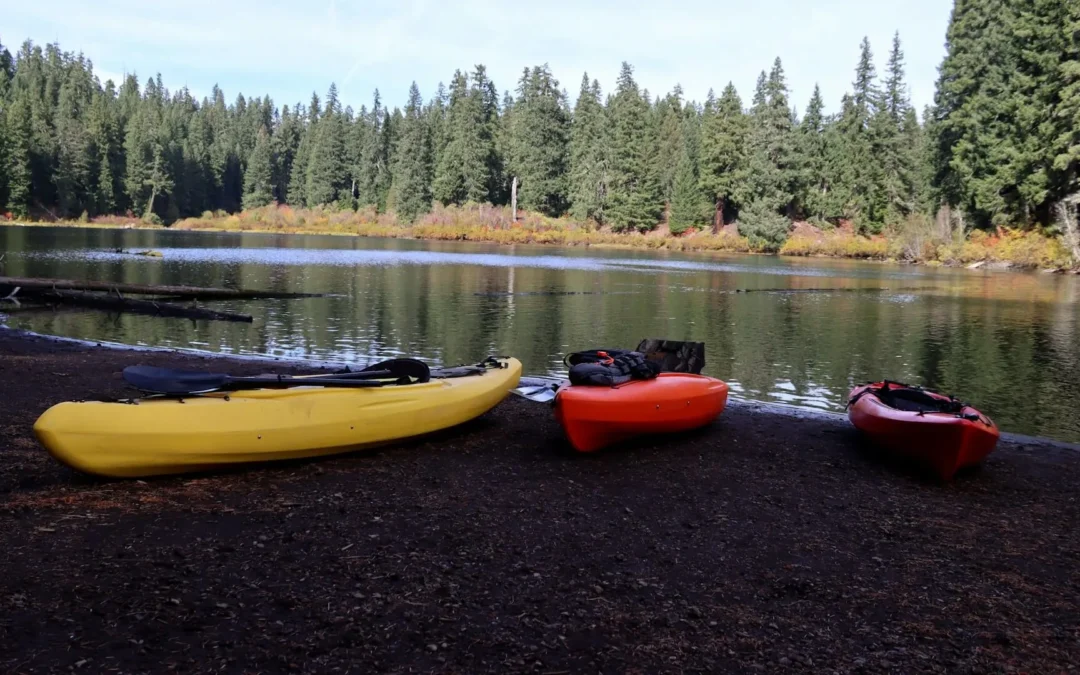
A good kayaking day usually starts before you launch. Beginners often focus only on the kayak and paddle, but the smaller items are what make the trip easier: dry storage, water, sun protection, the right clothing, simple safety gear, and a clean way to organize everything.
This guide explains how to pack smarter for a casual kayaking day trip without overloading your boat. The goal is simple: bring what matters, keep important items dry, and make everything easy to reach when you need it.
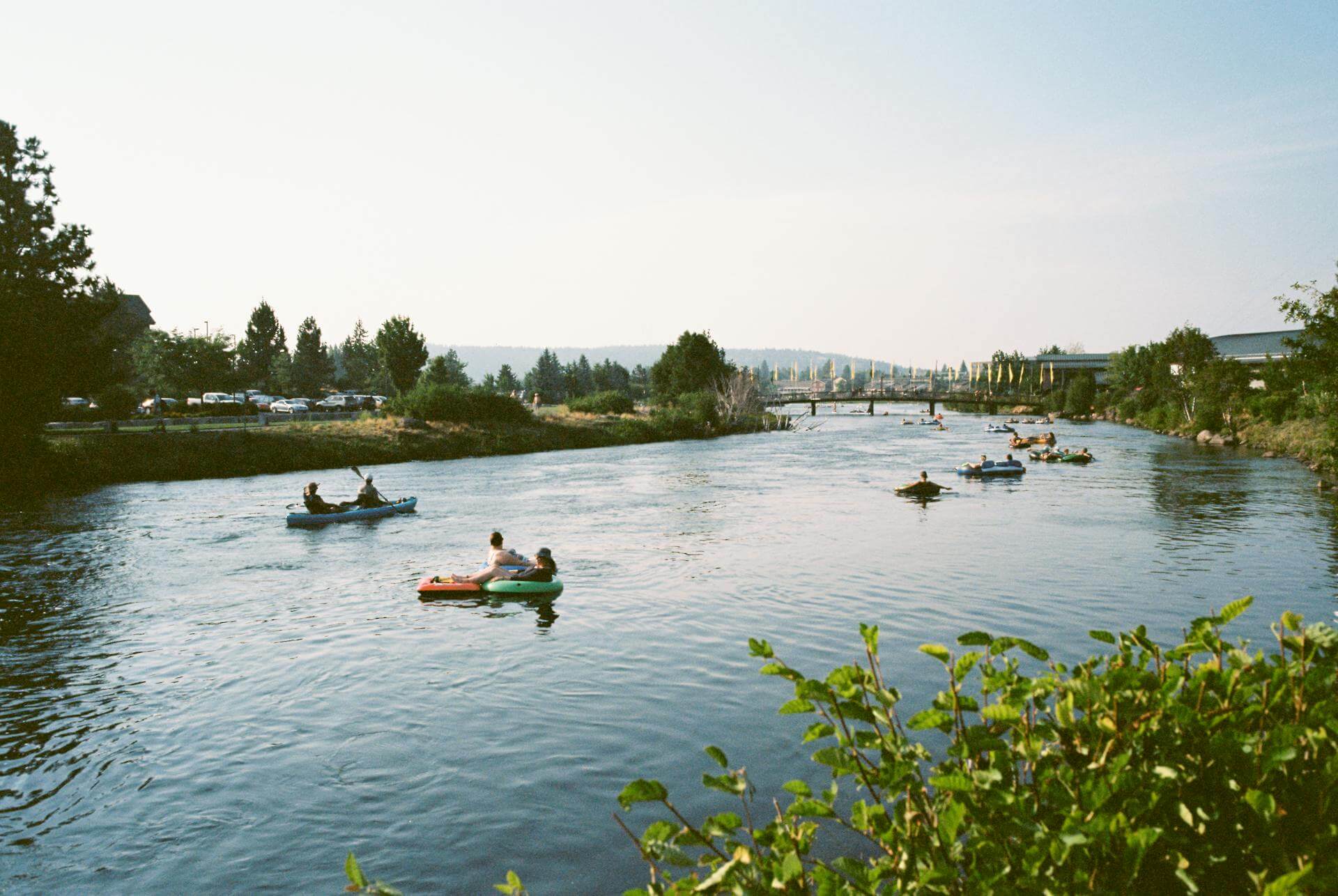
Pack for the Type of Paddle You Are Doing
A short calm-water trip does not need the same gear as a long river route. Before packing, think about how long you will be out, how far you plan to paddle, what the weather looks like, and whether the water is calm or moving.
For most beginner day trips, your setup should focus on safety, hydration, sun protection, dry storage, and comfort. You do not need to fill every open space in the kayak. You need a layout that keeps the right items secure and easy to grab.
Life jacket, whistle, phone protection, and a small first-aid kit should be packed before comfort items.
Keys, wallet, phone, snacks, spare layers, and small essentials should stay inside a dry bag.
Water, sunscreen, sunglasses, and snacks should be close enough to reach without unpacking the kayak.
Start With the Must-Have Items
The most important kayaking items are the ones that help you paddle safely and return comfortably. A kayak, paddle, and life jacket are the basics, but beginners should also bring water, sun protection, a dry bag, and a way to call or signal for help if needed.
Your life jacket should be worn the whole time. It should fit snugly without blocking your paddle stroke. If it rides up when you pull on the shoulders, adjust it before you launch.
Simple Kayaking Day Trip Checklist
- Kayak
- Paddle
- Life jacket
- Whistle
- Water bottle
- Snacks
- Dry bag
- Phone in a waterproof case
- Keys secured in a dry place
- Sunscreen
- Hat
- Sunglasses with a strap
- Quick-dry clothing
- Water shoes or secure sandals
- Small first-aid kit
- Dry clothes for after paddling
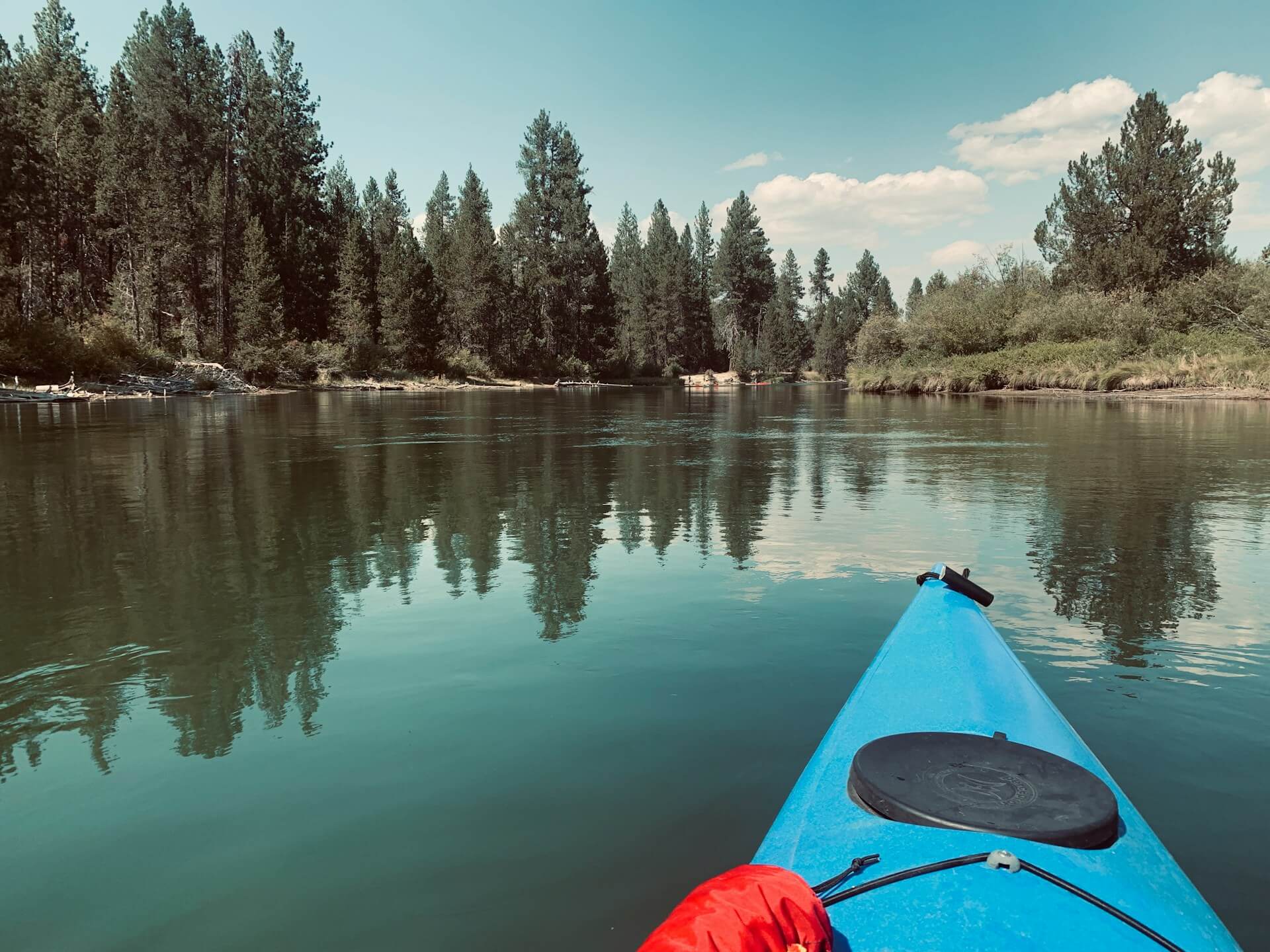
Use One Main Dry Bag
A dry bag is one of the easiest upgrades for beginner kayakers. It keeps your important items together and helps protect them from paddle drips, splashes, rain, wet docks, and muddy launch areas.
For a short trip, one medium dry bag is usually enough. Put your phone, wallet, keys, snacks, small towel, spare layer, and basic first-aid items inside. Roll it closed properly and keep it secured in the kayak.
Stop Leaving Loose Items in the Kayak
Loose gear can slide under your seat, fall into the water, make the kayak feel messy, or disappear when you need it. Beginners often throw bottles, sandals, wrappers, small bags, and phone cases into the kayak without giving them a real place.
Before launching, take one minute to organize the boat. Dry items go in the dry bag, water stays within reach, and anything that could float away should be clipped, stored, or secured.
If you would be annoyed losing it, soaking it, or searching for it, secure it before you launch.
Keep Water and Snacks Reachable
Water should not be buried behind your seat or trapped under other gear. Paddling can be tiring, especially in sun or wind, and beginners sometimes forget to drink until they already feel drained.
Keep your water bottle near your seat or in a reachable holder. Snacks should also be easy to grab during a break. Granola bars, trail mix, fruit, crackers, and sandwiches are simple options for casual kayaking.
Dress for Water, Not Just the Weather
A warm day does not mean you will stay dry. Paddle drips, splashes, wet seats, muddy banks, and shallow launches can soak clothing fast. Quick-dry clothing is usually better than heavy cotton because it stays more comfortable when damp.
Water shoes or secure sandals are also useful. Flip-flops can slide off easily, especially around rocks, docks, mud, or uneven shorelines. Keep dry clothes and a towel in the car or in a dry bag for after the paddle.
Make Sun Protection Easy to Use
Sun exposure can feel stronger on the water because light reflects off the surface. Sunscreen, a hat, sunglasses, and lip balm are small items, but they can make a big difference on longer paddles.
Polarized sunglasses are helpful because they reduce glare from the water. A sunglasses strap is also worth using because sunglasses are easy to lose while launching, landing, or adjusting gear.
Water, snacks, sunscreen, sunglasses, and phone case.
Keys, wallet, spare clothes, towel, and first-aid items.
Life jacket, hat, quick-dry clothing, and secure water shoes.
Bring a Small First-Aid Kit
A first-aid kit does not need to be large for a short recreational paddle. A few bandages, antiseptic wipes, blister pads, small gauze pads, and personal medication can handle many minor issues.
Keep the kit dry and easy to find. Small cuts and scrapes often happen around the launch area, especially near rocks, rough docks, shells, sticks, or slippery banks.

Add Extra Safety Gear for Rougher Water
Calm-water packing is different from whitewater or rocky river packing. If your route includes faster current, rocks, rapids, or a higher chance of flipping, you need to think beyond a basic day-trip setup.
A helmet becomes important when head impact is a real risk. For help choosing one, use the whitewater kayaking helmets guide.
Make a Simple Route Plan
Beginners should know where they are launching, where they are returning, and how long they expect to paddle. A simple route plan helps prevent overdoing it and makes the trip easier to manage.
When you are ready to choose a place to paddle, browse the kayaking locations hub. Pick water that matches your comfort level, weather, and available time.
Common Packing Mistakes to Avoid
- Putting your phone in a normal pocket
- Leaving keys loose in the kayak
- Bringing no water
- Packing sunscreen but burying it out of reach
- Wearing heavy cotton clothing
- Leaving dry clothes at home
- Bringing too many loose items
- Not securing the dry bag
- Forgetting snacks on longer paddles
- Using calm-water gear for rougher water
Pack Less, But Pack Smarter
The best beginner kayak setup is not the biggest setup. It is the one that keeps your essentials safe, dry, and easy to reach. Too much gear can make the kayak messy, while too little gear can leave you uncomfortable or unprepared.
Start with the basics, keep your layout clean, and improve your packing system after each trip. Over time, you will learn exactly what you use, what you never touch, and what deserves a permanent spot in your kayaking kit.
Use this before moving into rocky rivers, whitewater, or faster current.
Kayaking locationsUse this when you are ready to choose a route that matches your skill level.
A good kayaking day trip does not require complicated gear. Wear your life jacket, keep important items dry, bring water and sun protection, and secure anything you do not want to lose. Once your packing system is simple and organized, the whole trip feels easier.
Start with the basics, adjust after each paddle, and keep the kayak clean enough that everything important has a real place.

Afsar is an avid kayak blogger born near the coast. He has a passion for kayaking and started as a child. He has paddled in various conditions and locations and promotes responsible kayaking. Afsar’s blog is widely read, and they are a respected voice in the kayaking community, offering valuable content on kayaking trips, gear, tips, and tricks. Afsar collaborates with other bloggers and brands and continues to inspire others through their writing and social media.